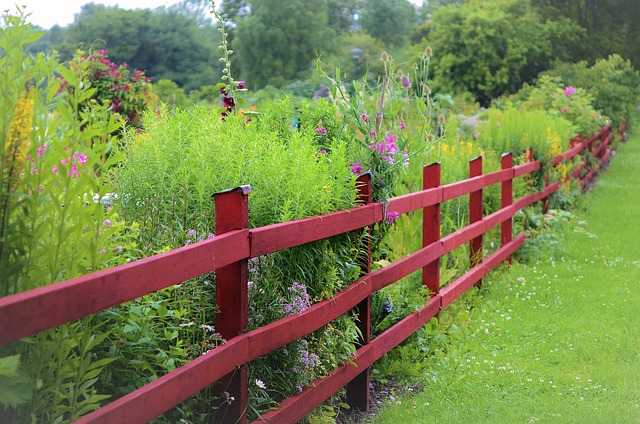
In New Bedford, MA, exploring affordable fence installation services opens doors to enhanced property security, aesthetic appeal, and increased privacy. Before diving in, understanding local regulations is key. This article serves as your comprehensive guide, offering insights into the benefits of budget-friendly installations, popular fence types, step-by-step installation processes, material selection for durability, and maintenance tips to preserve the beauty and longevity of your new fence.
- Understanding New Bedford's Fencing Regulations
- Benefits of Affordable Fence Installation
- Common Fence Types and Styles for Your Home
- The Installation Process: Step-by-Step Guide
- Choosing the Right Materials for Durability
- Maintenance Tips for Longevity and Beauty
Understanding New Bedford's Fencing Regulations
Before commencing any fence installation project in New Bedford, MA, it’s crucial to understand and comply with local regulations. These rules are designed to maintain the aesthetic appeal and safety standards of the city. Typically, permits may be required for certain types of fences, especially those that encroach upon public spaces or have significant height restrictions. Homeowners should check with the New Bedford Planning Department or relevant authority to determine if a permit is needed and what specific guidelines must be followed.
Knowing these regulations beforehand can save time and potential penalties. Fences that do not adhere to local codes might face delays in approval or even removal orders. By understanding and adhering to these rules, homeowners can ensure their projects proceed smoothly while also maintaining the harmony of their neighborhood.
Benefits of Affordable Fence Installation
Affordable fence installation offers numerous advantages for homeowners in New Bedford, MA. One of the key benefits is increased property value. A well-installed fence can enhance the curb appeal and overall attractiveness of a home, making it more desirable to potential buyers if ever you decide to sell. Additionally, fences provide privacy and security, allowing you to enjoy your outdoor space without concerns about prying eyes or unwanted visitors.
They also serve as a reliable barrier against intruders, wild animals, and pets that might wander into your yard. This added layer of protection contributes to a sense of peace of mind, knowing your family and belongings are secure. Moreover, affordable installation services make high-quality fencing accessible to more people, ensuring that anyone can enhance their living space without breaking the bank.
Common Fence Types and Styles for Your Home
When it comes to fencing your home, there’s a wide array of options to choose from that can enhance both the functionality and aesthetics of your outdoor space. Common fence types include wooden, vinyl, chain link, and iron fences, each with its unique style and benefits. Wooden fences, for instance, offer a classic, timeless look and can be customized with various stains and finishes. They require more maintenance but add natural warmth to your property. Vinyl fences are low-maintenance, durable, and come in many styles, colors, and textures, making them an excellent choice for those seeking a versatile option.
Chain link fences are known for their strength and security features, often used in commercial settings but also popular for residential backyards due to affordability and ease of installation. Iron fences exude elegance and sophistication, perfect for historic homes or those looking to create a grand entrance. These options offer different levels of privacy, visual appeal, and longevity, allowing homeowners to select the fence that best aligns with their preferences and needs.
The Installation Process: Step-by-Step Guide
The fence installation process begins with a thorough site evaluation, where our experts assess your New Bedford property to understand its unique features and requirements. This step is crucial for tailoring the best solution—whether it’s a simple wooden fence or a complex, multi-panel design. We’ll discuss your preferences, material choices, and any local regulations that may impact the installation.
Next, our team clears the area, removing any existing structures or debris that might interfere with the new fence. This involves careful planning to ensure a seamless fit. Once ready, we excavate the designated areas for posts, creating holes that are precisely measured and placed. The posts are then set in concrete, providing a sturdy foundation. Following this, we attach panels or pickets, securing them with high-quality fasteners. Finally, we finish with a meticulous inspection to guarantee every detail meets our quality standards and your expectations.
Choosing the Right Materials for Durability
When considering fence installation, selecting durable materials is key to ensuring your investment lasts. In New Bedford, MA, where diverse weather conditions can take a toll on outdoor structures, choosing the right materials becomes even more critical. Opting for high-quality, weather-resistant options like vinyl or treated wood can significantly extend the lifespan of your fence.
Vinyl fences, for instance, are known for their longevity and low maintenance requirements. They resist rot, rust, and warping, ensuring they maintain their structural integrity over time. On the other hand, treated wooden fences offer excellent strength and durability, even in humid environments. These materials not only withstand harsh weather but also contribute to a fence’s aesthetic appeal, enhancing the overall value of your property.
Maintenance Tips for Longevity and Beauty
To ensure your new fence not only stands the test of time but also maintains its beauty, regular cleaning and maintenance are essential. Start by sweeping or brushing away any debris, leaves, or dirt that may accumulate on the fence’s surface. Use a soft-bristled brush for wooden fences to prevent damaging the finish. For metal fences, a simple wash with mild soap and water will do, followed by a rinse to remove any residue.
Regular inspection is another vital maintenance step. Check for any signs of damage, rot, or rust, addressing these issues promptly. Repaint or restain fences as needed, following the manufacturer’s recommendations for intervals. Additionally, trim back surrounding vegetation to prevent branches from resting on the fence, which can cause wear and tear over time.